
How to create a powerful video testimonial?
- Author
- Effy Shkuri
- Published on:
- Published in:
- Video Marketing

Creating an online video testimonial with the right focus
In the world of marketing and customer testimonials, it is easy to fall into the trap of self-promotion. Companies are often quick to highlight their products or services, forgetting what really matters to potential customers: understanding their challenges and problems. In this blog, we'll discuss how to create an effective video testimonial that focuses on customers' actual needs and pain points, rather than simply highlighting a company's solutions.
Identify the crucial questions
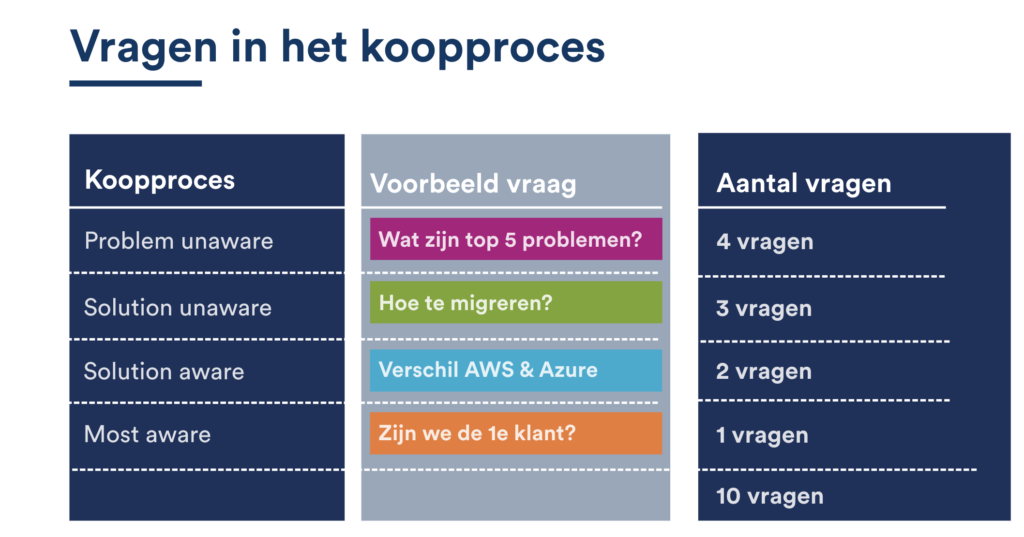
The first step in creating a valuable video reference case is answering the questions potential customers really want to hear. This requires a deep understanding of the target audience and their specific challenges. Think about the problems they are experiencing and how your products or services can indirectly help with this. The goal is to formulate questions that bring these problems to the forefront of the conversation. Below is a concept you can use.
Focus on the challenges and problems
Many video reference cases emphasize the solution a company offers, but the key to an effective video reference is actually highlighting the challenges and problems. It's important to show that you understand your customers' pain and frustrations. This creates a sense of empathy and trustworthiness. By focusing on the problems, you provide valuable education to potential customers, making them feel more connected to your brand.
Avoid self-flagellation
A common mistake in reference cases is the tendency toward self-promotion, in which companies overplay their successes and achievements. This can be distracting and even repellent to potential clients. It is crucial to remain humble and authentic in your approach. Instead, focus on how customers felt before and after using your product or service, without exaggerating.
Make it personal and authentic
A successful video reference case must be personal and authentic. Get real customers talking and encourage them to share their honest opinions and experiences. This type of authentic story resonates better with viewers and contributes to your brand's credibility.
Keep it educational
The ultimate goal of a video testimonial should be education, not sales. It's about educating potential customers and helping them understand how to overcome similar challenges. By remaining educational and informative, you position your company as a knowledgeable and reliable source of information.
Capture
Capturing a video testimonial can be done in three ways:
- The most approachable capture is through a simple online tool (e.g. Riverside). The client records the conversation or asks a 3rd party to act as moderator.
- Another powerful way is to design a virtual studio. In this, the client designs the virtual studio together with a videographer and the meetings can also simply take place online. However, the quality of video and branding is at a higher level.
- The third way is to have the conversation take place in a greenscreen studio in a video podcast setting. This can involve choosing a moderator or the client can act as host.
Conclusion
Focusing on customer challenges in online video testimonial cases is one of five core practices in video marketing that lead directly to tangible results. This approach, which emphasizes education and empathy over self-promotion, is crucial for companies struggling with effective video marketing. It provides an authentic, impactful way to communicate with audiences, build trust and stand out in a competitive marketplace. It is also ideal to use in your referral marketing strategy.
Effy Shkuri
"Our people make the difference." Really? As a former "digital workplace & IT entrepreneur," I've said this for years about my 25 colleagues. But the reality is we were only considered thought leaders by 5% of our target audience. Even today, this remains a common statement from MSPs and IT service providers. But these words lose their meaning if your expertise does not extend beyond your existing customers and a handful of prospects. I now help IT entrepreneurs with thought leadership in their niche.