
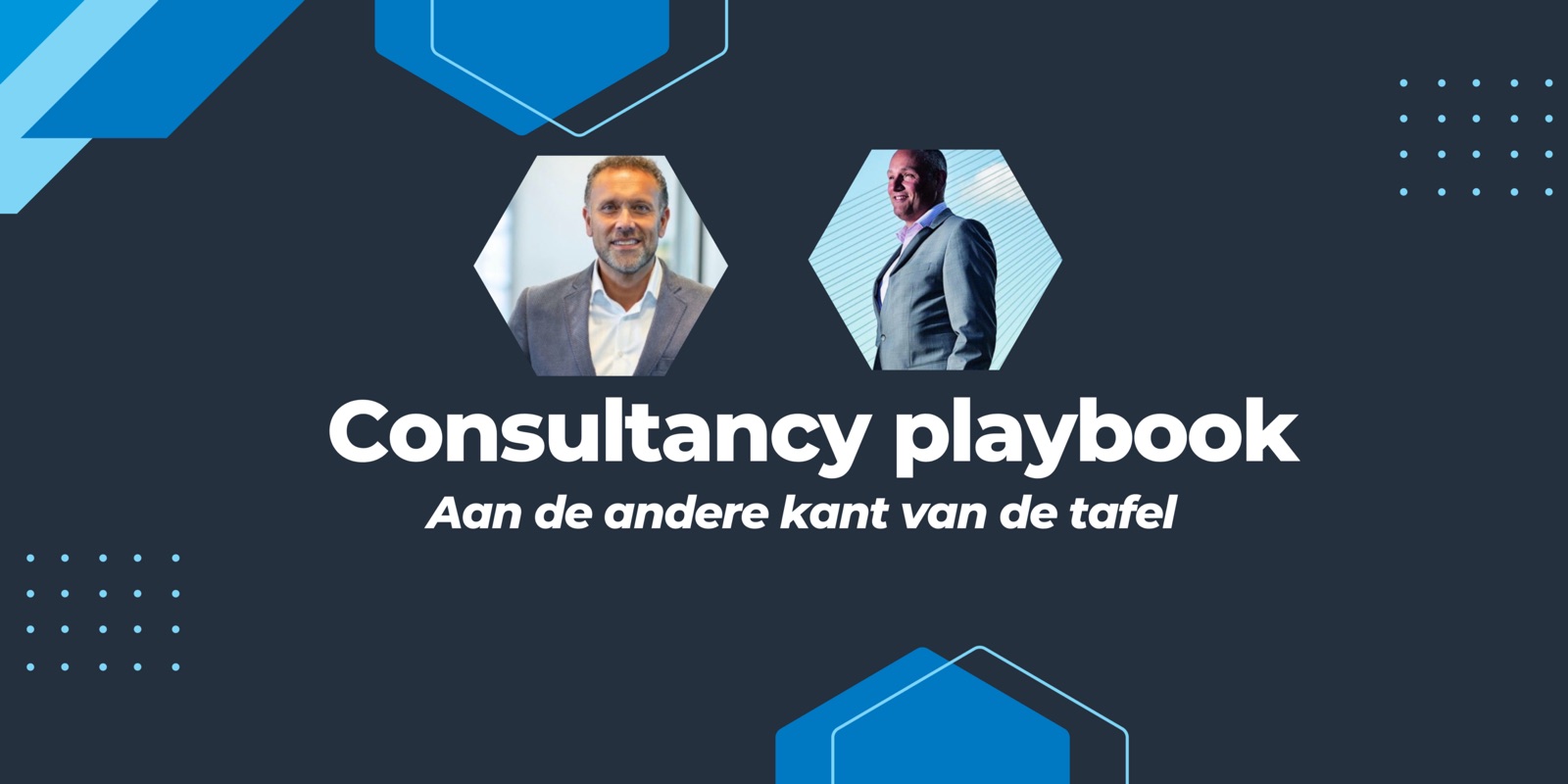
Buying is harder than selling
- Author
- Effy Shkuri
- Published on:
- Published in:
- Playbook

The 5 Lessons by Frans Mandersloot and Erwin Ronge
In this fascinating episode of our video podcast series, we dive into the world of IT management with two experienced professionals: Frans Mandersloot, IT manager at Chemgas Shipping and IT entrepreneur, and Erwin Ronge, IT manager at Steinweg. Both bring a wealth of knowledge and experience to the table, gained in the challenging environments of the IT and transportation sectors. Below are five key lessons they share, focusing on the complexities of procurement in the IT world and how this process impacts organizations and their decision-making.
Embedded video
This video is hosted by another company. As soon as it loads, that company sees your IP address and sets its own cookies.
1. The Challenge of Long-Term Decisions
Making IT decisions is often seen as a long-term commitment. Both IT managers emphasize how important it is to look beyond immediate needs and consider how technological choices will shape the future of their organizations. This requires in-depth research and a strategic approach.
2. The Importance of Thorough Preparation
A recurring theme in the discussion is the importance of thorough preparation. This involves not only understanding one’s own organizational needs, but also researching the market, evaluating potential partners and solutions, and strategically planning the implementation.
3. The Power of Partnership Over Supplier-Customer Relationships
Both Mandersloot and Ronge speak of the preference for a partnership over a traditional client-supplier relationship. A partnership implies a deeper understanding and a shared responsibility for the success of a project, which leads to better results and greater long-term value.
4. There is always a “neutral” preference
Both Mandersloot and Ronge indicate that they often have a preference for certain partners and technological solutions at an early stage. This preference is not arbitrary; it is rooted in past experiences, the partner’s reputation, the quality of the solution, and the extent to which it aligns with their organization’s specific needs. By expressing this preference, they send a clear signal about their expectations and the direction they wish to take.
Expressing such a preference serves several purposes. First, it creates a framework within which potential partners can tailor their proposals to the organization’s specific requirements and objectives. This leads to more targeted and relevant proposals, which can significantly speed up the decision-making process. Second, it builds trust; by openly sharing their preferences, Mandersloot and Ronge demonstrate that they are willing to communicate in a transparent and honest manner. This trust is crucial for building long-lasting and fruitful partnerships.
5. Navigating Internal Processes and Stakeholder Management
A significant portion of the IT purchasing process involves internal processes and managing various stakeholders within the organization. Mandersloot and Ronge share insights on the importance of involving stakeholders early in the process and carefully navigating internal decision-making channels.
This episode offers a unique glimpse into the minds of IT managers who are on the front lines of technological innovation and change within their organizations. By applying the lessons they share, other professionals can improve their own processes and take a more strategic approach.
Effy Shkuri
"Our people make the difference." Really? As a former "digital workplace & IT entrepreneur," I've said this for years about my 25 colleagues. But the reality is we were only considered thought leaders by 5% of our target audience. Even today, this remains a common statement from MSPs and IT service providers. But these words lose their meaning if your expertise does not extend beyond your existing customers and a handful of prospects. I now help IT entrepreneurs with thought leadership in their niche.