User adoption is not a luxury for msps
- Author
- Effy Shkuri
- Published on:
- Published in:
- Playbook

The 5 Lessons of Emile Stam
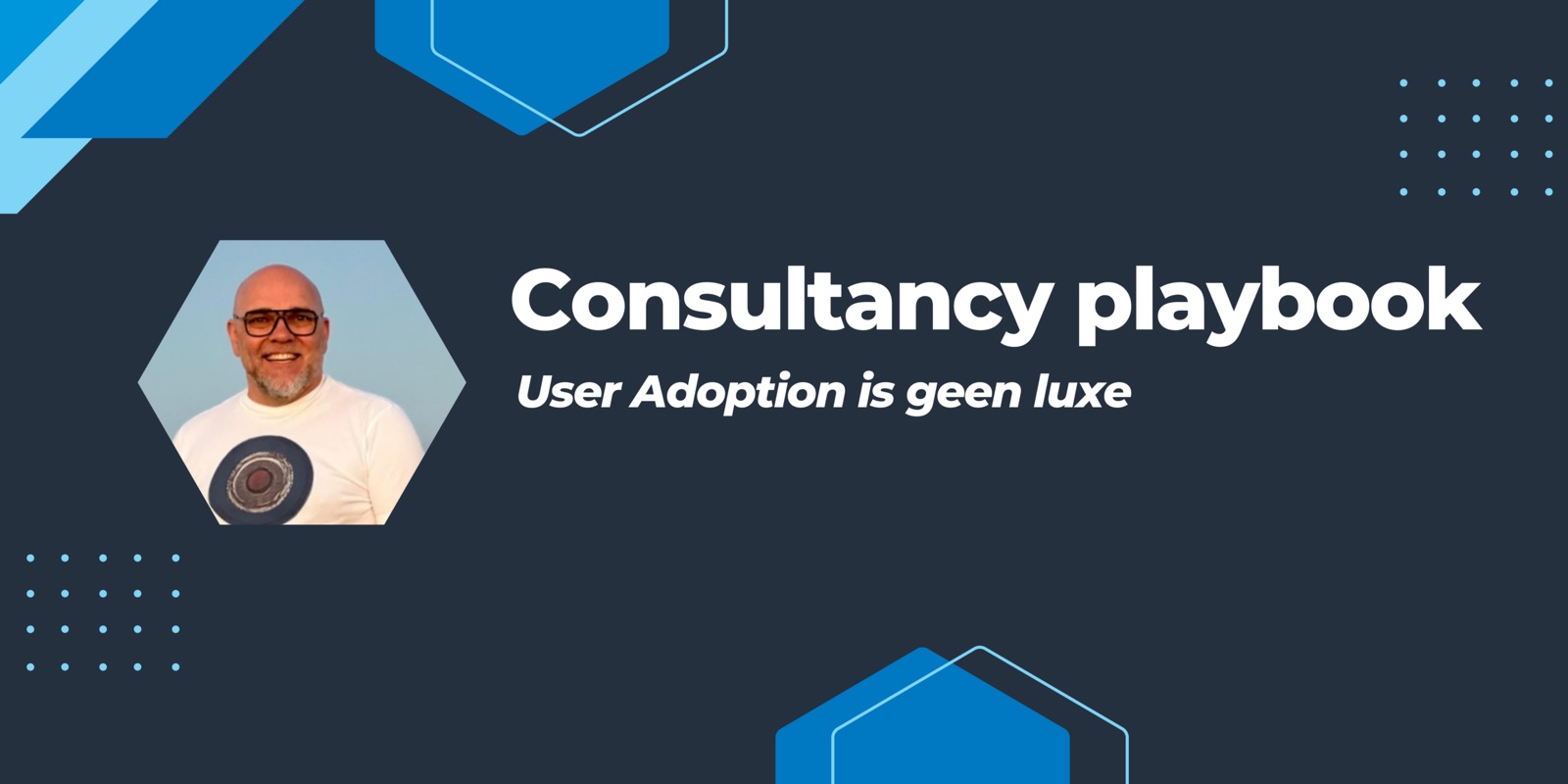
In today’s IT industry, user adoption plays a crucial role, as technologies evolve rapidly and organizations constantly strive to optimize work processes and improve employee efficiency. User adoption—that is, the extent to which end users embrace and effectively use new systems and processes—is vital to realizing the benefits of IT investments. Emile Stam, Chief Commercial Officer at Open Line, shares his passion and insights on this topic, drawing on his years of experience at the intersection of collaboration, user adoption, and change management.
Embedded video
This video is hosted by another company. As soon as it loads, that company sees your IP address and sets its own cookies.
Simplicity as a Foundation
Emile’s mantra of keeping technologies simple goes to the heart of successful user adoption. The ability to translate complex IT solutions into user-friendly tools that truly add value to users’ daily work is crucial. This simplicity not only enhances ease of use but also boosts overall satisfaction and efficiency within an organization.
Relevance and Moments of Truth
By focusing on what is truly relevant to the customer and identifying the crucial “moments of truth,” Emile highlights how IT solutions can be deeply embedded in an organization’s work processes and culture. This understanding of the customer journey and specific needs ensures that technology is viewed as an asset rather than a necessary evil.
Change and Adoption
The challenge of change in the context of user adoption is further complicated by the natural resistance to change that many people experience. Emile emphasizes the importance of guiding users through this change, with a focus on creating a positive experience and encouraging a smooth transition to new systems and processes.
A Culture of Teamwork
The journey toward successful user adoption is not just a task for the IT team, but a collaborative effort that involves all levels of the organization. Emile’s stories about Open Line highlight the importance of teamwork and the power of a shared vision and goal. The idea that everyone contributes to sales and customer satisfaction reflects a corporate culture in which user adoption is viewed as a shared responsibility.
From Technocracy to Adoption
Emile explains how Open Line, traditionally a technical company, has adapted to the need for adoption. This process involved explaining the difference between adoption and training and finding ways to integrate adoption into the core of the company. The company’s success in winning contracts based on its adoption strategy—rather than solely on technical solutions—underscores the value of this approach.
Beyond Technology
The conversation with Emile Stam underscores that user adoption in the IT industry goes beyond simply implementing new technologies. It’s about creating an environment in which users not only understand and use the tools, but also recognize their value in their work. A focus on simplicity, relevance, and a deep understanding of the user experience are key to unlocking the full potential of IT solutions and building a culture of innovation and collaboration that forms the foundation for long-term success.
Building a Bridge to Referral Marketing and Word-of-Mouth
A satisfied user is the best marketer for your IT solutions. By focusing on the key aspects of user adoption, organizations not only create a positive user experience but also a powerful driver of organic marketing through referrals and word-of-mouth.
Effy Shkuri
"Our people make the difference." Really? As a former "digital workplace & IT entrepreneur," I've said this for years about my 25 colleagues. But the reality is we were only considered thought leaders by 5% of our target audience. Even today, this remains a common statement from MSPs and IT service providers. But these words lose their meaning if your expertise does not extend beyond your existing customers and a handful of prospects. I now help IT entrepreneurs with thought leadership in their niche.